How to Choose the Right Hair Extensions for Your Business
How to Choose the Right Hair Extensions for Your Business
The hair extension market has experienced remarkable growth in recent years, driven by evolving beauty trends and an increasing demand for versatile hairstyles. From everyday wear to special occasions, hair extensions allow individuals to enhance their look, boost confidence, and express personal style. As a wholesale hair vendor, understanding the dynamics of this industry is crucial for success.
Selecting the right products for your business is a fundamental step in meeting customer expectations and ensuring long-term profitability. With a myriad of options available—ranging from different types and qualities of hair to various lengths and colors—making informed choices can set your brand apart in a competitive marketplace. By carefully curating your product offerings, you can not only attract a loyal customer base but also establish your business as a trusted source in the hair extension industry.
Understand Your Target Market
To choose the right hair extensions for your business, it's essential to first understand your target market. Identifying customer demographics—such as age, style preferences, and lifestyle—will guide your product selection and marketing strategies.
Identify Your Customer Demographics:
Consider who your ideal customers are. Are they young professionals looking for trendy styles, or perhaps busy moms seeking low-maintenance options? Age plays a significant role in style preferences; younger customers may favor bold colors and innovative styles, while older customers might prefer classic looks. Additionally, think about lifestyle factors—do your customers lead active lives, or are they more focused on fashion and events? This insight will help you tailor your offerings to meet their specific needs.
Research Current Trends and Demands in Hair Extensions:
Staying ahead of trends is crucial in the fast-paced beauty industry. Regularly monitor fashion magazines, social media platforms, and beauty blogs to identify what styles and colors are currently popular. For instance, extensions featuring natural textures, such as body wave or curly options, may be in demand, as consumers increasingly seek authenticity in their hair choices. Moreover, pay attention to seasonal trends, as customer preferences can shift with the seasons. Engaging with your audience through surveys or social media polls can also provide valuable feedback on what they’re looking for, helping you align your inventory with market demand.
By thoroughly understanding your target market, you’ll be better equipped to select hair extensions that resonate with your customers, ultimately driving sales and fostering brand loyalty.

Know the Different Types of Human Hair Extensions
When choosing the right hair extensions for your business, it’s important to familiarize yourself with the various types available, as each has its own unique characteristics, benefits, and considerations. Here’s a breakdown of some popular types of human hair extensions:
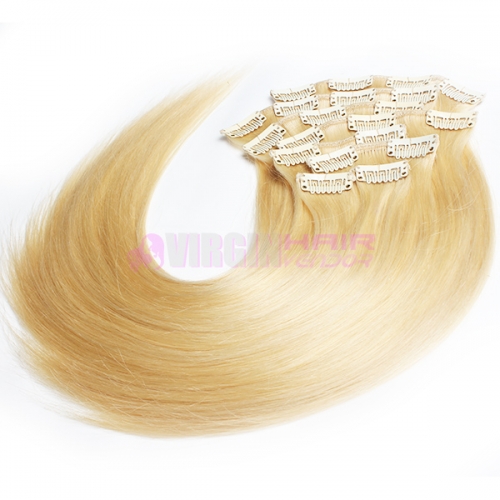
Clip-in Extensions:
Pros: Clip-in extensions are one of the easiest and most versatile options on the market. They allow for quick application and removal, making them ideal for customers who want to change their look without a long-term commitment. They come in various lengths and colors, offering flexibility for different styles.
Cons: However, clip-in extensions may not be suitable for everyone, particularly those with very fine or short hair, as they might not blend seamlessly. Additionally, if not applied correctly, they can be visible, which might deter some customers.
Tape-in Extensions:
Best Uses: Tape-in extensions are known for their natural appearance and lightweight feel. They are best for clients seeking a semi-permanent solution, typically lasting 6 to 8 weeks with proper care. They work well for those with medium to thick hair, as they require a solid base to adhere effectively.
Benefits: Tape-in extensions are less damaging than some other methods because they do not require heat or braiding. They also lay flat against the scalp, making them less noticeable and easy to style.

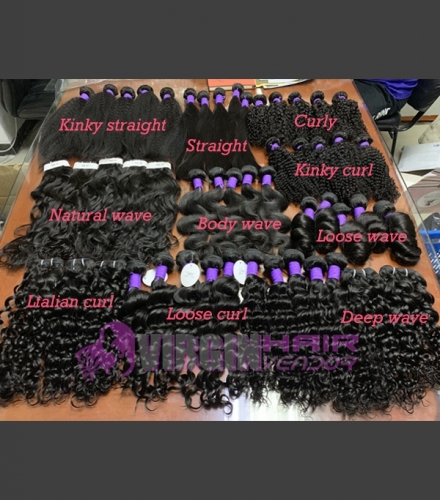
Hair Weave Extensions:
Suitable Hair Types: Hair weaves, often applied through sewing or bonding, are great for thicker hair types and can provide significant volume and length. They can be made from both human and synthetic hair, but high-quality human hair is preferred for a natural look.
Care: Maintenance is key for hair weaves. Regular washing, conditioning, and proper styling techniques are essential to keep the extensions looking their best and to prevent tangling or damage to the natural hair.
Microlink Extensions:
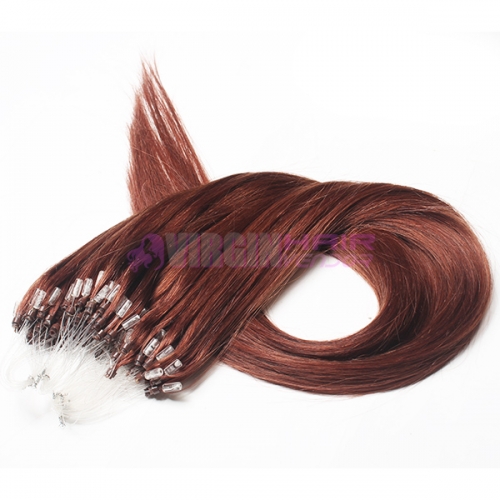
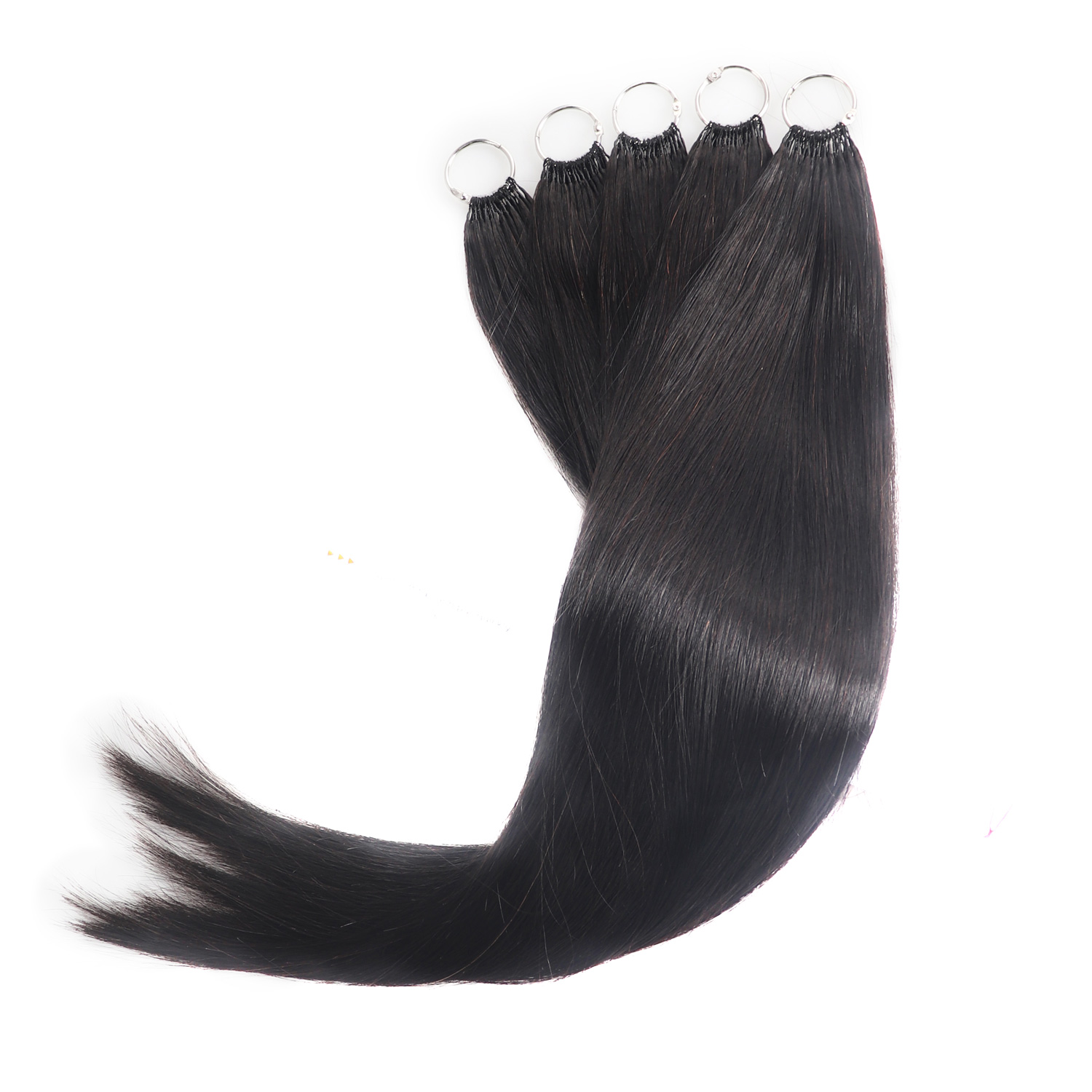
Microlink extensions involve attaching small sections of hair extensions to the natural hair using tiny beads or links. This method is suitable for various hair types, particularly those with medium to thick hair.
Benefits: Microlink extensions are reusable and can last for several months with proper care. They offer a natural look since there are no adhesives or heat involved, minimizing damage to the hair. However, they require regular maintenance to ensure the beads do not slip and the hair remains healthy.
Hair Bulk:
Hair bulk refers to loose hair that can be used for various applications, including making custom wigs, braiding, or for techniques like crochet. This option is popular among stylists who prefer to create personalized solutions for their clients.
By understanding the different types of human hair extensions, you can better cater to the needs of your customers and ensure that your product offerings are aligned with their preferences and lifestyle.
Quality Matters
When it comes to hair extensions, quality is paramount. The right choice can significantly impact customer satisfaction and your business's reputation. Understanding the differences between Remy and non-Remy hair, as well as knowing how to assess hair quality, will help you make informed decisions for your product offerings.
Importance of High-Quality Hair (Remy vs. Non-Remy):
High-quality hair extensions are typically categorized as Remy or non-Remy. Remy hair is collected from a single donor in a way that keeps the cuticles intact and aligned in the same direction. This process minimizes tangling and maintains the hair's natural texture and shine, making it the preferred choice for many customers.
On the other hand, non-Remy hair is often sourced from multiple donors, and the cuticles may be facing different directions. This can lead to tangling and a shorter lifespan for the extensions. While non-Remy hair is usually more affordable, it often requires more maintenance and may not provide the same natural look and feel as Remy hair. For a reputable wholesale business, prioritizing Remy hair will likely attract more discerning customers and enhance your brand’s credibility.

How to Assess Hair Quality (Texture, Shine, Shedding):
When evaluating hair quality, consider the following factors:
- Texture: High-quality hair should have a natural feel, whether it’s straight, wavy, or curly. The texture should be consistent throughout the extensions and match the expected style. Additionally, the hair should be soft and smooth, with no rough patches.
- Shine: Healthy hair typically has a natural luster. While a slight shine is desirable, excessive shine can indicate synthetic fibers or low-quality processing. Look for a balance that mimics natural hair, giving your customers a realistic appearance.
- Shedding: Shedding is a common concern with hair extensions. High-quality extensions should not shed excessively. To assess this, gently pull on the strands and check for any loose hairs. A few strands may come loose during the initial handling, but a significant amount indicates poor quality.
By prioritizing high-quality hair and knowing how to assess it, you can ensure that your business provides products that meet customer expectations, leading to higher satisfaction and repeat purchases. Quality truly matters in the hair extension market, and investing in the right products will ultimately pay off for your business.
Consider the Length and Color Options
When selecting hair extensions for your business, it's essential to consider the lengths and color options that will resonate with your target audience. Offering a diverse range of styles and colors not only meets customer needs but also enhances your product appeal.
Popular Lengths and Styles for Your Target Audience:
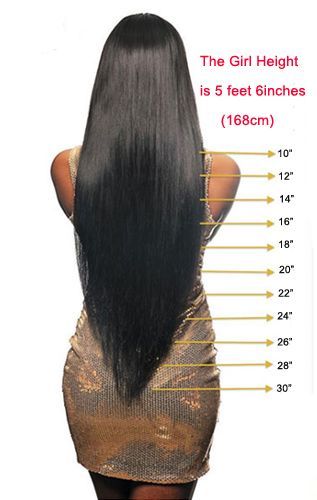
Different customers have varying preferences when it comes to hair length. Some may seek dramatic changes with long extensions, while others may prefer shorter, more manageable lengths. Popular lengths typically range from 14 inches to 30 inches, catering to a wide audience:
- Short Lengths (14-18 inches): Ideal for customers who want added volume or subtle length without a drastic change. This range is often favored by younger clients and those who lead active lifestyles.
- Medium Lengths (20-24 inches): A versatile choice, medium lengths can accommodate various styles—from sleek and straight to voluminous waves—making them suitable for most customers.
- Long Lengths (26-30 inches and beyond): Long extensions appeal to those looking for glamour and dramatic transformations. These lengths are particularly popular for special occasions, events, or fashion-forward clients.
Understanding the preferences of your target audience will help you curate a selection that aligns with their style aspirations.
Importance of Offering a Variety of Colors and Textures:
In addition to length, providing a broad spectrum of color options is crucial. Hair extensions should cater to diverse tastes, ranging from natural shades like black, brown, and blonde to vibrant colors like pastels and bold hues. Offering highlights, ombre, and balayage effects can also attract customers looking for trendy, multi-dimensional styles.
Texture is another important consideration. Different hair textures—such as straight, wavy, or curly—allow customers to find extensions that blend seamlessly with their natural hair. This variety not only enhances the overall look but also helps customers feel confident and satisfied with their purchase.
By considering lengths and offering an extensive array of colors and textures, you position your business to meet the unique preferences of your customers. This approach fosters customer loyalty, increases sales, and sets your brand apart in the competitive hair extension market.
Evaluate Pricing and Profit Margins
Pricing your hair extensions effectively is crucial for the sustainability and growth of your business. Understanding wholesale pricing, setting competitive retail prices, and calculating profit margins will help ensure you maintain a healthy bottom line while attracting customers.
Understanding Wholesale Pricing and Setting Retail Prices:
Wholesale pricing refers to the cost at which you purchase hair extensions from suppliers. This price typically reflects the cost of production, materials, and the supplier’s profit margin. To set your retail prices, you’ll need to consider your wholesale cost along with additional expenses, such as shipping, marketing, and overhead costs.
A common approach is to mark up your wholesale price by a certain percentage to cover these additional expenses while ensuring a profit. Retail pricing strategies can vary, but a typical markup might range from 50% to 100% of the wholesale price, depending on your target market and the perceived value of your products. It's important to conduct market research to understand what competitors charge and to position your prices competitively without undervaluing your products.
Calculating Potential Profit Margins Based on Costs:
Calculating profit margins is essential for assessing the profitability of your hair extensions. To do this, use the following formula:
- Determine Your Costs:
- Wholesale price per unit
- Additional costs (shipping, marketing, packaging, etc.)
- Set Your Retail Price:
- Use the markup percentage that fits your business strategy.
- Calculate Profit Margin:
To determine your potential profit margins, start by calculating the total cost of each product, including the wholesale price, shipping, and any additional fees. Then, establish your retail price based on your market research.
Aiming for a profit margin of 30-50% is generally considered healthy in the beauty industry, but this can vary based on your specific business model and market conditions.
Regularly reviewing and adjusting your pricing strategy based on sales performance, customer feedback, and market trends is essential. By carefully evaluating pricing and profit margins, you can create a sustainable business model that supports growth and profitability while providing customers with high-quality products.
Supplier Reliability
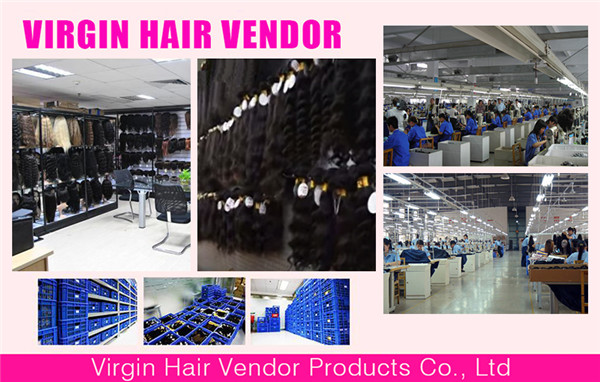
When it comes to sourcing hair extensions for your business, choosing a reputable supplier is crucial. The quality of the products you offer, your ability to meet customer demands, and ultimately, your business's reputation all hinge on the reliability of your suppliers.
Importance of Choosing a Reputable Supplier:
A reputable supplier not only provides high-quality products but also ensures consistent availability and timely delivery. Reliable suppliers help you maintain inventory levels, reducing the risk of stockouts that could lead to lost sales. Additionally, a good supplier will stand behind their products, offering support and addressing any issues that may arise. Establishing a strong partnership with a reputable supplier can lead to better pricing, exclusive deals, and access to the latest trends in hair extensions.
Tips for Vetting Suppliers:
- Check Reviews and References: Start by researching potential suppliers online. Look for customer reviews and testimonials to gauge their reputation. Websites like Trustpilot and industry-specific forums can provide valuable insights. Don’t hesitate to ask for references from other businesses that have worked with the supplier to learn about their experiences.
- Request Sample Orders: Before committing to a large order, request sample products to evaluate the quality of the hair extensions firsthand. This will allow you to assess the texture, color accuracy, and overall appearance. It’s also an opportunity to check for any shedding or tangling issues, ensuring the products meet your quality standards.
- Evaluate Communication: Effective communication is vital in any supplier relationship. Pay attention to how quickly and clearly the supplier responds to your inquiries. A reliable supplier should be open to discussing your needs, addressing any concerns, and providing information about their products and processes. Good communication fosters a positive partnership and can help resolve issues efficiently.
- Assess Shipping and Return Policies: Review the supplier's shipping options and delivery times. Ensure that their policies align with your business needs. Additionally, familiarize yourself with their return and refund policies in case you receive defective or unsatisfactory products.
- Visit Their Facility (if possible): If you have the opportunity, visiting the supplier’s facility can provide deeper insights into their operations. You can observe their production processes, quality control measures, and overall professionalism. This firsthand experience can significantly inform your decision-making.
By carefully vetting suppliers and choosing reputable partners, you can build a solid foundation for your business. Reliable suppliers contribute to your ability to offer high-quality hair extensions, enhance customer satisfaction, and ultimately drive your business's success.

Packaging and Presentation
In the competitive world of hair extensions, packaging and presentation play a vital role in attracting customers and driving sales. The way products are packaged can significantly influence a buyer's perception and decision-making process.
The Impact of Attractive Packaging on Sales:
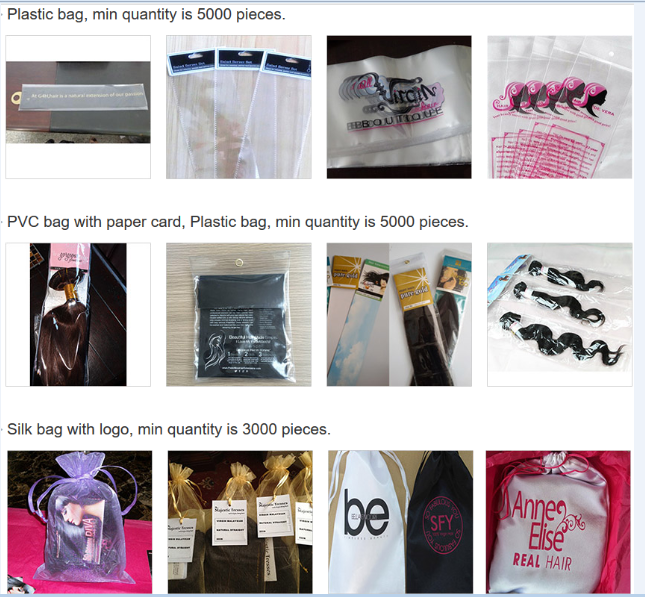
Attractive packaging creates a positive first impression and can enhance the perceived value of your products. Well-designed packaging not only protects the hair extensions during shipping but also communicates your brand's identity and professionalism. When customers receive their orders, they are more likely to feel excited and valued if the packaging reflects quality and attention to detail.
Moreover, eye-catching packaging can set your products apart on retail shelves or online marketplaces, making them more memorable. It encourages customers to share their unboxing experiences on social media, providing organic marketing and increasing brand visibility. In essence, investing in attractive packaging can lead to higher customer satisfaction, repeat purchases, and positive word-of-mouth referrals.
Tips for Branding Your Products Effectively:
- Consistency in Branding: Ensure that your packaging aligns with your overall brand identity. This includes using consistent colors, fonts, and logos that reflect your brand's personality. Consistency helps establish brand recognition and builds trust with customers.
- Highlight Key Features: Use your packaging to showcase the unique selling points of your hair extensions, such as quality, origin, or special features. Clear and concise messaging can inform customers about what sets your products apart from the competition.
- Consider Functionality: Packaging should not only be visually appealing but also functional. Make sure it is easy to open, resealable if possible, and protects the hair extensions from damage. Functional packaging enhances the overall customer experience and encourages repeat business.
- Include Care Instructions: Adding care instructions or styling tips inside the packaging can enhance customer satisfaction and ensure they know how to maintain their extensions. This value-added information can differentiate your brand and demonstrate your commitment to customer care.
- Sustainability Matters: More consumers are becoming environmentally conscious, so consider using eco-friendly packaging materials. Sustainable packaging can enhance your brand's image and appeal to customers who prioritize eco-friendly products.
- Engage with Social Media: Encourage customers to share their experiences with your products on social media. Include hashtags or social media handles on your packaging to promote online engagement. User-generated content can boost your brand’s visibility and credibility.
By prioritizing attractive packaging and effective branding, you can create a memorable customer experience that not only drives sales but also fosters brand loyalty. Packaging is an extension of your brand, and investing in it can yield significant returns for your business.
Conclusion
In summary, choosing the right hair extensions for your business involves several key considerations. Understanding your target market, knowing the different types of extensions, prioritizing quality, evaluating pricing, ensuring supplier reliability, and focusing on packaging and customer support are all vital components for success.
Taking the time to make informed decisions about your product offerings can significantly impact customer satisfaction and your business’s reputation. By carefully selecting high-quality hair extensions that meet the needs of your audience, you position your business for growth and success in the competitive market.
Ready to elevate your offerings? Explore our wide selection of premium human hair extensions at virginhairvendor.com and find the perfect products for your customers!
Related Articles:
Tips for Choosing the Perfect Wig for Your Clients
For Wig Retailer: Wig Maintenance Tips to Educating Your Staff